

Understanding the Genetic Causes of Hair Loss

As hair replacement experts, we understand the importance of identifying the underlying causes of hair loss. Many factors can contribute to hair thinning in men and women, including stress, hormonal changes, medical conditions, and genetics. Determining the root cause allows us to recommend the most effective hair restoration solution for each client.
When it comes to long-term or progressive thinning, genetics remain one of the most common causes of hair loss.
What Are the Genetic Causes of Hair Loss?

The most common genetic cause of hair loss is androgenetic alopecia, often referred to as hereditary-pattern baldness or male and female pattern hair loss.
This inherited condition causes hair follicles to gradually shrink over time due to sensitivity to hormones known as androgens. As follicles miniaturize, hair becomes finer, shorter, and eventually stops growing in affected areas.
While many people experience some natural thinning with age, it is estimated that approximately 40% of men and women experience noticeable genetic hair loss.
Androgenetic Alopecia: The Most Common Cause of Hair Loss
Genetic hair loss can affect both men and women, though the pattern and progression differ.
How Genetic Hair Loss Affects Men
Men typically begin noticing a receding hairline or thinning around the temples and crown in their 20s or 30s. Over time, hair loss progresses across the top of the scalp, often leaving hair along the sides and back.
This occurs when elevated levels of dihydrotestosterone (DHT), a derivative of testosterone, bind to genetically sensitive follicles and disrupt the normal hair growth cycle.
How Genetic Hair Loss Affects Women
In women, androgenetic alopecia usually appears as gradual thinning across the top of the scalp rather than a receding hairline. The part may widen, and overall density decreases.
These changes are often more noticeable after menopause due to hormonal shifts.
Signs of Hereditary Hair Loss to Watch For
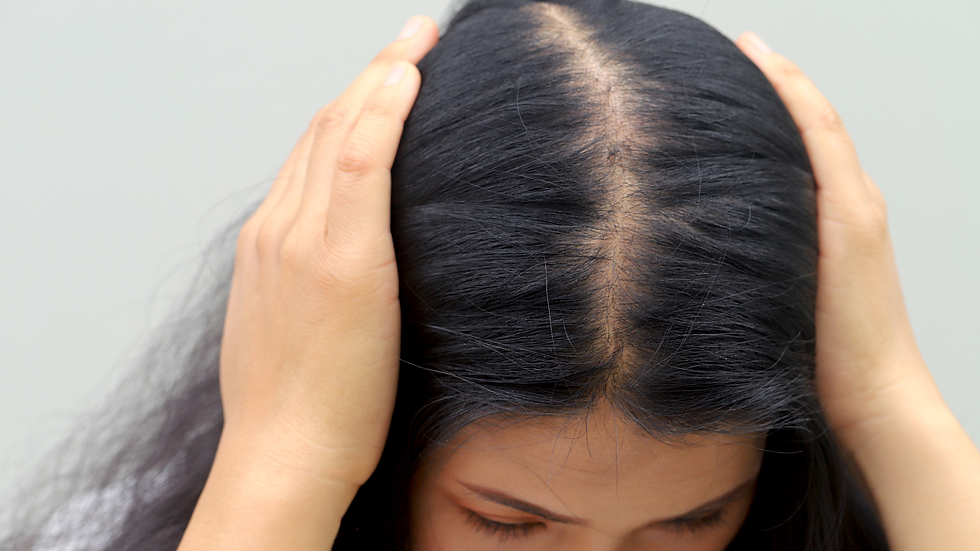
Family history remains the strongest risk factor for genetic hair loss. Contrary to popular belief, hair loss genes can be inherited from both parents.
Common signs include:
Early Signs in Men
Receding hairline forming an “M” shape
Thinning at the crown
Gradual reduction in overall density
Early Signs in Women
Widening part line
Thinning at the top of the scalp
Reduced volume without distinct bald spots
Early recognition allows for more proactive hair restoration planning.
Hair Restoration Treatments for Genetic Hair Loss in Dartmouth, NS

At Ultra Hair Solutions and Esthetics, we are hair specialists for alopecia who work closely with clients to create personalized treatment plans.
Treatment options for genetic hair loss may include:
· Non-surgical hair restoration systems
· Customized density solutions
· Ongoing maintenance and scalp support
Early intervention often leads to stronger long-term outcomes, particularly when follicle miniaturization is addressed early.
When to See a Hair Specialist for Alopecia
If you are noticing thinning hair, a receding hairline, or a family history of pattern baldness, consulting a hair specialist can help you determine the most appropriate course of action.
As a trusted hair clinic in Dartmouth, Nova Scotia, we assess the common causes of hair loss in Canada and guide clients toward solutions that align with their lifestyle and long-term goals.
Contact Ultra Hair Solutions today to schedule your consultation. Call 902-429-8300.


